Wishlist

How to Choose the Right Footwear for Rugged Terrains
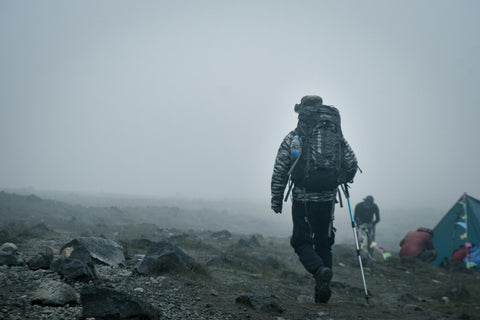
Exploring rough trails, rocky hillsides, muddy forest paths, and uneven mountain tracks demands more than just endurance. The right footwear can improve stability, reduce fatigue, and help prevent injuries during outdoor adventures. Whether you are a beginner hiker or an experienced trail enthusiast, choosing dependable footwear is one of the smartest investments you can make.
Many outdoor enthusiasts search for the best hiking boots or lightweight alternatives before heading into unpredictable environments. However, not every shoe performs equally well on rugged surfaces. Understanding terrain, fit, traction, and support can help you select footwear that matches your needs.
Why Terrain Matters More Than Style
Different terrains create different stresses on your feet and joints. Rocky surfaces require strong grip and ankle support, while muddy trails demand water resistance and deep tread patterns. Loose gravel and uneven paths also increase the risk of slipping or instability.
A study titled “Effect of Increased Bending Stiffness on Running Economy and Joint Biomechanics in Uphill Running and Running on Unstable Terrain” found that footwear stiffness can significantly influence stability and energy efficiency on uneven ground. The study highlights how specialized outdoor shoes can reduce biomechanical strain during trail movement.
Outdoor footwear expert Andrew Skurka, a long-distance backpacker and professional adventure guide, once said, “Your shoes are your most important piece of gear because every mile begins with your feet.” His experience across demanding backcountry routes reinforces the importance of selecting shoes designed for harsh conditions.
Understanding the Difference Between Hiking Shoes and Boots
When researching outdoor gear, many people compare hiking shoes with traditional boots. Hiking shoes are generally lighter, more flexible, and suitable for day hikes or moderate trails. They allow greater mobility and reduce fatigue during shorter adventures.
Boots, on the other hand, offer better ankle protection and durability. If you are carrying heavy backpacks or trekking across jagged terrain, boots often provide the stability needed for safer movement. Rugged routes usually benefit from stronger construction and reinforced soles.
A field study titled “Spatiotemporal Parameters and Kinematics Differ Between Race Stages in Trail Running” observed how movement mechanics change under demanding outdoor conditions. The findings suggest that footwear support becomes increasingly important as terrain difficulty and fatigue levels rise.

The Importance of Grip and Sole Design
One of the biggest mistakes hikers make is underestimating outsole traction. Rugged surfaces require deep lugs and durable rubber compounds that can grip wet rocks, loose dirt, and steep inclines effectively.
Many experts recommend testing flexibility and grip before purchasing footwear. Shoes that twist too easily may struggle to stabilize your feet on uneven trails. Reliable rugged terrain footwear should feel secure without limiting natural movement.
An article in Scientific Reports titled “Assessing the Effects of Foot Strike Patterns and Shoe Types on the Control of Leg Length and Orientation in Running” demonstrated how shoe structure influences movement control and balance. Better-designed footwear contributes to more efficient and safer motion during outdoor activities.
Waterproofing Versus Breathability
Choosing between waterproof protection and breathability depends on your hiking environment. In rainy climates, snow-covered paths, or muddy tracks, waterproof hiking boots help keep feet dry and reduce discomfort during long treks.
However, fully waterproof shoes may trap heat during warm-weather hikes. Breathable mesh footwear works better in dry climates where ventilation matters more than moisture resistance. The ideal choice depends on terrain conditions and trip duration.
Kilian Jornet, an elite mountain runner and multiple-time ultra trail champion, emphasizes practicality over trends. Jornet has said, “The best shoe is the one that disappears on your foot while still protecting you from the mountain.” His expertise comes from years of competing and training in some of the world’s harshest alpine environments.

Fit Should Always Come First
No matter how advanced the technology, poor fit can quickly ruin an outdoor adventure. Your footwear should provide enough toe room while keeping the heel secure to prevent blisters and instability. Trying shoes later in the day can help because feet naturally swell after activity.
Modern research also supports the role of proper adaptation to new shoes. The study “Time to Stability of Treadmill Running Kinematics in Novel Footwear with Different Midsole Thickness” found that runners require adjustment periods when transitioning to unfamiliar footwear systems. Gradual break-in periods help improve comfort and movement efficiency.
Testing shoes with hiking socks and walking on inclined surfaces can also reveal pressure points before purchase. Never rely solely on appearance or online trends when evaluating trail footwear.
Matching Footwear to Your Adventure Goals
Not every outdoor enthusiast needs heavy-duty mountain boots. Casual forest walkers may prefer lightweight trail shoes, while alpine trekkers often require maximum support and protection. Matching footwear to your activity level prevents overpaying for features you may never use.
People searching for the best hiking boots for rocky terrain often benefit from models with reinforced toe caps, aggressive tread patterns, and durable midsoles. These features help absorb impact while protecting feet from sharp surfaces.
Technology is also reshaping outdoor footwear analysis. A study titled “Assessing Trail Running Biomechanics: A Comparative Analysis of the Reliability of Stryd™ and GARMIN® Wearable Devices” explored how wearable technology can evaluate trail movement and performance. Such research may eventually help hikers personalize footwear choices based on movement patterns and terrain demands.

Every Great Adventure Starts from the Ground Up
Choosing the right trail footwear is not simply about comfort or appearance. It directly affects safety, endurance, and overall outdoor performance. From grip and waterproofing to ankle support and fit, every feature plays a role when navigating difficult landscapes.
The best outdoor footwear supports your natural movement while protecting you from unpredictable terrain. Investing time in selecting the right pair can transform challenging hikes into more confident and enjoyable adventures.
About the Author

Isla Douglas
Isla Douglas is a seasoned travel writer known for her immersive storytelling and vivid descriptions. Beyond her writing, she is passionate about sustainable tourism and responsible travel, inspiring readers to explore the world thoughtfully. When not writing, Isla enjoys hiking, photography, and culinary adventures.